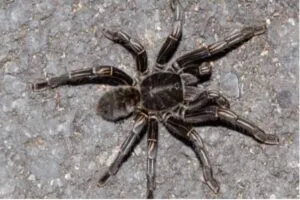
Amazon Zebra Tarantula Top 5 Facts
The Amazon Zebra Tarantula, scientifically known as A. amazonicus, is a captivating spider species that has gained popularity among arachnid enthusiasts. This striking tarantula is known for its unique zebra-like markings and relatively docile temperament, making it a fascinating subject of study and a popular choice for pet ownership. This article delves into the top 5 facts about this amazing creature, offering insights into its appearance, habitat, behavior, and care requirements. Whether you’re a seasoned tarantula keeper or simply curious about the world of spiders, this guide provides a comprehensive overview of the Amazon Zebra Tarantula.
Appearance and Identification
The Amazon Zebra Tarantula gets its name from the distinctive black and white stripes that adorn its legs, closely resembling the pattern of a zebra. This striking coloration makes it easily identifiable and adds to its appeal. These tarantulas have a robust build with a hairy carapace and abdomen. The body is covered in fine hairs, which provide sensory information and aid in movement. The overall appearance is quite impressive, with the contrast of the black and white stripes creating a visually stunning effect. This unique appearance is one of the primary reasons why this species is so sought after by tarantula keepers worldwide. The contrasting colors serve as a natural camouflage, helping them blend into their surroundings in the wild. The size and build of the spider make it an imposing creature, yet its behavior is generally calm, making it an excellent pet for experienced spider keepers.
Size and Physical Characteristics

Amazon Zebra Tarantulas are medium-sized tarantulas, with a leg span typically reaching between 5 to 6 inches when fully grown. Males tend to be slightly smaller than females, but both sexes exhibit the same striking color patterns. The body of the tarantula, including the carapace and abdomen, is covered in a dense layer of hairs. These hairs serve several purposes, including providing sensory information, assisting in balance, and helping with climbing. The chelicerae, or fangs, are relatively large and are used for injecting venom to subdue prey. The pedipalps, located near the mouth, are used for manipulating food and also serve sensory functions. The overall size and robust build of the Amazon Zebra Tarantula make it an impressive sight, but its manageable size also contributes to its suitability as a pet.
Coloration and Markings
The most defining characteristic of the Amazon Zebra Tarantula is its striking coloration. The legs are prominently marked with alternating black and white stripes, resembling the pattern of a zebra. This pattern is not only visually appealing but also serves as a form of camouflage in its natural habitat. The carapace, or upper shell, is typically a darker shade, often brown or black, and the abdomen is usually a lighter color, creating a strong contrast with the legs. The overall appearance of the tarantula is designed to blend in with the forest floor and other natural elements. This coloration helps it to avoid predators in the wild and to ambush unsuspecting prey. This pattern is consistent across both males and females, making it an easy identifier for the species. The beauty of this spider makes it a must-have for any tarantula collector.
Habitat and Origin
The Amazon Zebra Tarantula is native to the tropical rainforests of South America, primarily found in the Amazon basin. They thrive in warm, humid environments, often inhabiting burrows or seeking shelter under rocks, logs, and leaf litter on the forest floor. This species is well-adapted to its environment, with the ability to tolerate varying degrees of moisture and temperature. Their natural habitat provides them with ample opportunities to hunt and hide from predators. The dense vegetation and complex ecosystems of the Amazon rainforest offer an ideal living space for these creatures. Understanding their natural habitat is essential for providing them with proper care in captivity, replicating the conditions that allow them to thrive.
Natural Environment

In its natural environment, the Amazon Zebra Tarantula lives in a humid and warm climate. The rainforest floor provides a moist and insulated environment, crucial for their survival. These tarantulas are terrestrial, meaning they spend most of their time on the ground. They often create burrows or find shelter under rocks, logs, and leaf litter, which protects them from the elements and predators. The abundance of insects and other invertebrates in the rainforest makes it an ideal hunting ground for these tarantulas. The ecosystem is rich with resources that support their survival, including a diverse array of prey and suitable hiding places. The humidity and temperature levels are consistently high, creating an environment where they can thrive. The tarantula is a critical part of the local ecosystem.
Geographical Distribution
The Amazon Zebra Tarantula is primarily found in the Amazon basin of South America, encompassing regions of Brazil, Peru, and other neighboring countries. This area provides the ideal environmental conditions for this species, with warm temperatures and high humidity. The tarantulas are well-adapted to this specific geographical area, where they can find adequate food, shelter, and suitable breeding grounds. Their distribution is often tied to the availability of specific types of habitats, such as dense forests and areas with plenty of leaf litter. The range of distribution is closely linked to the distribution of their prey, as well as the conditions that foster their survival. Their presence in this region is a testament to their ability to adapt to the unique challenges and opportunities of the Amazon rainforest. The species is not found in other regions of the world, due to the specific environmental conditions that are necessary for its survival.
Behavior and Temperament
The Amazon Zebra Tarantula is generally considered to be a docile species, making it a popular choice for beginner tarantula keepers. While they are not prone to aggression, it is important to handle them with care and respect. When threatened, they may exhibit a defensive posture, such as raising their front legs or flicking urticating hairs from their abdomen as a defense mechanism. Understanding their behavior is crucial for safe handling and interaction. The tarantula is a solitary creature and typically spends most of its time in its burrow or hiding place. They are nocturnal hunters, being most active at night when they search for food. The temperament of this tarantula can be affected by various factors, including environmental conditions and their overall health. Proper care and handling are important for maintaining their generally calm disposition.
Defensive Mechanisms

Like many tarantulas, the Amazon Zebra Tarantula has several defensive mechanisms to protect itself from potential threats. The most common defense is to flick urticating hairs from their abdomen. These hairs are irritating to skin and can cause discomfort if they come into contact with humans. The tarantula will rub its abdomen with its legs, releasing the hairs into the air or at a perceived threat. This is a way to deter predators from attacking them. They also possess strong chelicerae, which are capable of delivering a venomous bite. However, these tarantulas are typically not aggressive and will only bite as a last resort. In addition to physical defenses, the tarantula may also display a defensive posture, raising its front legs to appear larger and more intimidating. These defensive strategies are essential for the tarantula’s survival in its natural habitat.
Feeding Habits
The Amazon Zebra Tarantula is an opportunistic predator, feeding primarily on insects and other invertebrates. In the wild, their diet consists of a wide variety of prey, including crickets, roaches, mealworms, and other small insects. In captivity, they can be easily fed with commercially available insects, providing a balanced diet. These tarantulas are ambush predators, waiting patiently for prey to come within striking distance. They use their chelicerae to inject venom into their prey, paralyzing them and allowing them to consume the meal. The frequency of feeding depends on the age and size of the tarantula, with younger spiders requiring more frequent meals. It is essential to offer a diverse diet to ensure the tarantula receives all the necessary nutrients for optimal health and growth. Observing their feeding habits is an interesting aspect of tarantula ownership, providing a glimpse into their natural behaviors.
Lifespan and Breeding
The Amazon Zebra Tarantula has a relatively long lifespan, especially when kept in captivity. Females can live for up to 10-12 years, while males typically have a shorter lifespan of around 2-3 years after reaching maturity. Understanding the lifespan is essential for prospective owners, as it influences the commitment required to care for the tarantula. The breeding process involves specific conditions, including proper temperature and humidity, to encourage mating. Breeding this species in captivity can be a rewarding experience for experienced keepers. However, it’s important to be aware of the responsibilities involved in raising tarantulas, including the care of spiderlings and ensuring adequate resources. The long lifespan of females makes them a long-term companion for those dedicated to the proper care of these unique creatures.
Lifespan in Captivity

In captivity, the Amazon Zebra Tarantula can live for a considerable time, with females living much longer than males. Females often live for 10-12 years, while males usually live for only 2-3 years after reaching maturity. The lifespan of a tarantula is heavily influenced by the quality of care it receives, including appropriate housing, diet, temperature, and humidity. Providing an environment that closely mimics their natural habitat is crucial for maximizing their lifespan. Regular health checks and prompt attention to any health issues also contribute to their longevity. Careful handling and avoidance of unnecessary stress further contribute to their well-being and longevity. Providing a balanced diet and a stress-free environment allows them to thrive. The long lifespan of the female makes it a commitment for the owner.
Breeding Information
Breeding Amazon Zebra Tarantulas in captivity can be a challenging but rewarding experience. To initiate breeding, the male and female must be introduced under controlled conditions. The environmental factors play a crucial role, with temperature and humidity levels needing to be optimized to mimic their natural environment. The female may be receptive to mating, and if successful, she will lay an egg sac containing hundreds of spiderlings. The care of the egg sac and the subsequent spiderlings require a dedicated effort, including maintaining appropriate temperature and humidity levels, and providing a diet suitable for the developing spiders. Proper handling of the spiderlings is essential to avoid stress. Breeding Amazon Zebra Tarantulas is a complex process, and success depends on factors such as the health of the breeding pair, the environmental conditions, and the keeper’s experience.