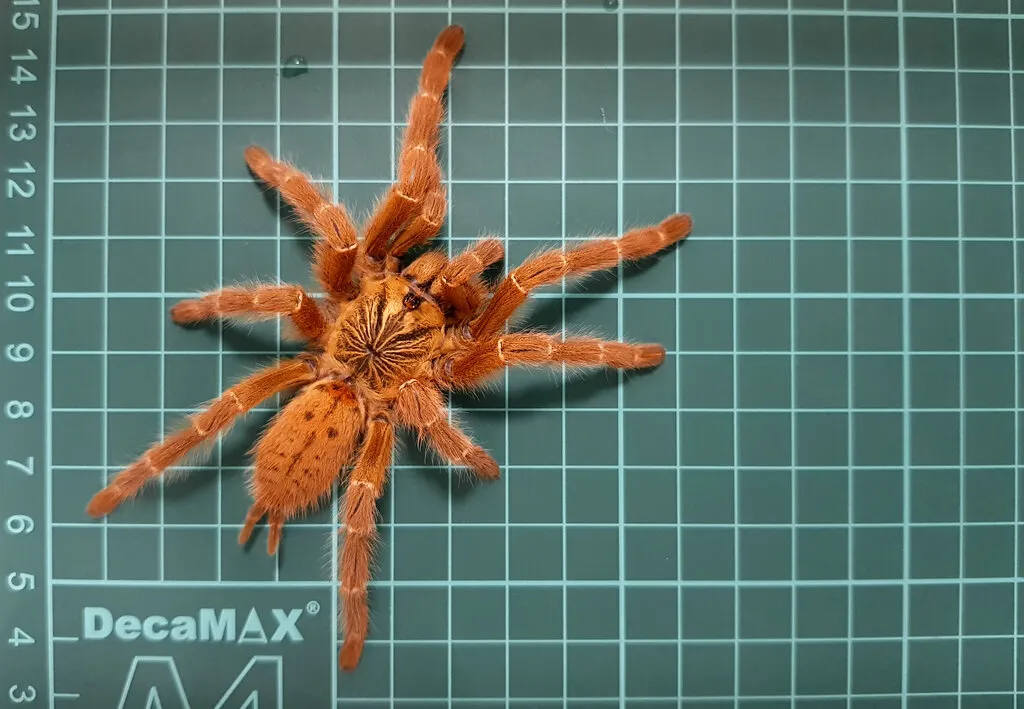
What is an OBT Tarantula (Orange Baboon Tarantula)?
The Orange Baboon Tarantula (OBT), scientifically known as Pterinochilus murinus, is a fascinating and often misunderstood arachnid that has gained popularity as a pet among experienced tarantula keepers. Native to the arid regions of Africa, including Angola, Kenya, and Tanzania, the OBT is known for its striking orange coloration and defensive nature. This guide provides comprehensive care instructions to ensure a healthy and enriching life for your OBT tarantula pet. They are not for the faint of heart, OBTs possess potent venom and a temperament that can be quite unpredictable. This makes them an exciting challenge for experienced hobbyists, and an animal that requires a great deal of respect.
Appearance and Characteristics of OBT Tarantulas
Understanding the physical attributes of an OBT tarantula is crucial for both appreciating its unique beauty and recognizing potential health issues. Their vibrant coloration and distinct markings contribute to their appeal among enthusiasts. Additionally, knowing their size and lifespan can help you prepare for the long-term commitment of caring for one of these captivating creatures.
Size and Lifespan

OBT tarantulas are medium-sized spiders. Females typically reach a leg span of 4 to 5 inches, while males are slightly smaller. The lifespan of an OBT varies depending on the sex; females can live for 10 to 12 years or even longer with proper care, whereas males typically live for only 2 to 3 years after reaching maturity. The difference in lifespan is a significant consideration for potential keepers, as the commitment to an OBT can be a long-term one.
Coloration and Markings
As their name suggests, OBTs are known for their striking orange coloration. The intensity of the orange can vary depending on the individual and the region it originates from, ranging from a deep burnt orange to a more vibrant hue. They also feature a distinct pattern on their carapace (the top part of their body) and legs, often with darker markings. This coloration serves as camouflage in their natural habitat, helping them blend in with the dry grasses and rocky terrain. The vibrant colors make them visually appealing pets, but remember that their beauty is coupled with their strong temperament.
OBT Tarantula Habitat and Housing
Creating the right habitat is crucial for the health and well-being of your OBT tarantula. The enclosure should mimic their natural environment as closely as possible, providing them with security, suitable temperatures, and the necessary humidity levels. The setup also needs to be secure to prevent escape. Careful attention to detail in enclosure design is vital for both the spider’s health and your own safety.
Enclosure Size and Setup

A secure enclosure is paramount. A 10-gallon tank or a similar-sized enclosure is suitable for adult OBTs, but larger enclosures can be used. The enclosure should have a secure lid to prevent escapes, as these tarantulas are fast and can easily slip out. Provide at least 4-6 inches of substrate for burrowing, with options like coconut fiber, peat moss, or a mix of both being ideal. Include a hide, such as a cork bark or a half-log, for the tarantula to retreat to and feel secure. Ensure the enclosure is well-ventilated, but avoid drafts.
Substrate and Decorations
The substrate should be deep enough for burrowing, a natural behavior for OBTs. Coconut fiber is a good choice because it retains moisture well and is safe for the tarantula. Peat moss and other similar materials can also be used, either alone or in a mix with coconut fiber. Decorations, such as cork bark or artificial plants, should be included to provide hiding places and a more natural environment. Avoid sharp objects that could injure the tarantula.
Temperature and Humidity
OBTs thrive in temperatures between 75°F and 85°F (24°C and 29°C). A heat lamp or a heat mat placed on the side of the enclosure can maintain the correct temperature. Humidity levels should be kept around 60-70%. This can be achieved by lightly misting the enclosure once or twice a week, depending on the humidity levels of your area, and by providing a shallow water dish for the tarantula to drink from. Regular monitoring with a hygrometer and thermometer is crucial to ensure the environment is optimal.
Feeding Your OBT Tarantula

Proper feeding is essential for the health, growth, and overall well-being of your OBT tarantula. A balanced diet consisting of appropriate prey items, alongside correct feeding frequency and access to water, will allow your tarantula to thrive. Careful attention must be paid to the size of the prey to prevent injury to your spider and ensure it can hunt effectively.
What to Feed OBTs
OBTs are carnivores and primarily feed on insects. Suitable prey items include crickets, cockroaches, mealworms, and superworms. The prey should be smaller than the tarantula’s body size to ensure it can be easily captured and consumed. It is crucial to avoid feeding wild-caught insects, as they may carry parasites or pesticides that can harm your pet. Always gut-load the feeder insects with nutritious food before feeding them to your OBT, improving the spider’s diet. The size of the prey should match the size of your spider; a good rule of thumb is to feed insects no bigger than half the size of the tarantula’s body.
Feeding Frequency
The feeding frequency depends on the spider’s age and size. Spiderlings should be fed two to three times per week, while juvenile and adult OBTs can be fed once or twice a week. After molting, the tarantula might need a few days to harden its exoskeleton before feeding. Avoid overfeeding, as this can stress the tarantula, and remove any uneaten prey after 24 hours to prevent them from bothering the spider.
Watering and Hydration

Provide a shallow water dish with fresh water at all times. This is essential for hydration, especially in a warm, dry environment. Ensure the water dish is shallow enough to prevent the tarantula from drowning. Regularly check the water level and refill the dish as needed. Lightly misting the enclosure once or twice a week can also help to maintain humidity levels and provide additional hydration, but avoid over-misting, as this can lead to mold and other problems.
Handling and Safety Precautions
OBT tarantulas are not recommended for handling. They have a defensive temperament, and any attempt to handle them can result in a bite. The bite is not typically life-threatening to humans, but it can be extremely painful and may cause cramping, muscle spasms, and other localized reactions. It is essential to prioritize your safety and the tarantula’s well-being. Therefore, handling should be avoided unless absolutely necessary, such as during health checks or enclosure maintenance.
Risks of Handling
Handling an OBT carries significant risks. They are known for their speed and agility and can easily bolt and escape. Their primary defense mechanism is to bite. Their fangs are relatively long and can deliver a painful bite, injecting venom that can cause discomfort and localized effects. Additionally, the tarantula may release urticating hairs (small, irritating hairs) from its abdomen if feeling threatened, which can cause severe skin and eye irritation. Avoid handling to minimize these risks.
Venom and Bite

OBT venom is not considered medically significant to humans. While the bite itself can be painful, causing muscle cramps, and localized swelling, it is rarely life-threatening. However, the pain can be intense and last for several hours or even days. If bitten, clean the wound immediately with soap and water, and monitor for any signs of infection. It is crucial to seek medical attention if symptoms worsen or if you experience a severe allergic reaction. Always respect the tarantula and avoid any action that might provoke a defensive response.
Molting Process and Care
Molting is a natural process in which a tarantula sheds its exoskeleton to allow for growth. Understanding the molting process and providing appropriate care during this time is critical for the tarantula’s health and survival. The frequency of molting decreases as the tarantula ages. Young tarantulas molt more frequently than adults.
Signs of Molting
Several signs indicate that an OBT is about to molt. The tarantula may stop eating, become lethargic, and spend more time in its hide. The abdomen may appear dark and swollen, and the tarantula may create a web mat or burrow in preparation. Some may also exhibit a color change as the new exoskeleton forms. Be patient and provide a stress-free environment during this sensitive period.
Care During Molting

During molting, it is essential to avoid disturbing the tarantula. Maintain the correct temperature and humidity levels, and do not feed the tarantula until after it has molted and its new exoskeleton has hardened. If the tarantula molts upside down, do not attempt to assist, as this can cause injury. Provide a shallow water dish to ensure the tarantula can hydrate properly. Remove any uneaten prey to avoid stressing the tarantula during its vulnerable state. After the molt, the tarantula will appear brighter in color, indicating a new, fresh exoskeleton.
Common Health Issues and Prevention
Like any pet, OBTs are susceptible to certain health issues. Many of these issues can be prevented with proper care, including maintaining a clean enclosure, providing a balanced diet, and maintaining optimal environmental conditions. Recognizing potential health problems early on can greatly improve your chances of a successful intervention and ensuring the overall well-being of your pet.
Parasites and Diseases
While OBTs are generally hardy, they can be affected by parasites like mites. Mites are tiny creatures that can infest the tarantula and cause irritation and stress. They can often be seen as small, moving dots on the tarantula’s body or in the enclosure. Diseases are rare in captive OBTs, but fungal infections can occur if the enclosure is too humid or the substrate is not kept clean. Symptoms of a health problem may include lethargy, loss of appetite, or unusual behavior. Always quarantine any new tarantulas to prevent the spread of diseases or parasites.
Preventative Measures
Several preventative measures can help ensure your OBT remains healthy. Regularly clean the enclosure, removing any uneaten food and replacing the substrate as needed. Ensure the correct temperature and humidity levels are maintained. Provide a balanced diet of appropriately sized prey. Quarantine any new tarantulas before introducing them to your collection. Inspect your tarantula regularly for any signs of parasites or disease. If you suspect a health issue, consult an experienced tarantula keeper or a veterinarian specializing in exotic animals.
Breeding OBT Tarantulas
Breeding OBTs is an advanced undertaking that should only be attempted by experienced keepers. The process involves careful preparation, monitoring, and providing the right conditions for mating and egg laying. The success of breeding depends on the tarantula’s age, health, and the environmental conditions. It requires significant knowledge and a commitment to providing the specific needs of both the male and female tarantula.
Sexing OBT Tarantulas
Sexing OBTs is essential for breeding purposes. This is usually done by examining the molted exoskeletons or by observing the tarantula’s anatomy. Males have a modified set of pedipalps (small appendages near the mouth) that they use to store sperm, and they also have a small hook on their front legs. Females are generally larger than males. Correctly identifying the sex of your tarantulas is a critical first step when breeding.
Mating Process
The mating process involves introducing the male and female OBTs into the same enclosure. The male will drum on the substrate to attract the female’s attention. If the female is receptive, the mating will occur. It is important to monitor the interaction closely, as the female may become aggressive towards the male. After mating, separate the male from the female to prevent him from being eaten. If the mating is successful, the female will lay an egg sac several months later. The egg sac will contain multiple spiderlings that will need specialized care.
OBT Tarantula as Pets Pros and Cons
Before acquiring an OBT tarantula, it is important to weigh the pros and cons of keeping one as a pet. While they can be fascinating and rewarding companions for experienced keepers, their defensive nature and specific care requirements make them unsuitable for everyone. Carefully considering these points will help you decide if an OBT is the right pet for you.
Pros of Keeping OBT Tarantulas
The striking appearance of OBTs is a major draw for many keepers. Their vibrant orange coloration and unique behavior make them fascinating creatures to observe. They are relatively low-maintenance pets in terms of daily care, only requiring regular feeding and watering. For experienced keepers, the challenge of caring for a potentially defensive species can be rewarding. Moreover, they have a long lifespan, allowing you to enjoy them for many years. Finally, their manageable size makes them suitable for apartment living or smaller homes.
Cons of Keeping OBT Tarantulas
The primary con is their defensive temperament. OBTs are known to be aggressive and are prone to biting, which can be painful. They are not suitable for handling, and this can limit your interactions with them. They require a secure enclosure due to their speed, and they can be difficult to rehome. Their venom, although not fatal, can cause significant discomfort. The need for specific temperature and humidity levels means you will need to invest in specific equipment like a thermometer and hygrometer.
Conclusion
Caring for an OBT tarantula can be a rewarding experience for experienced keepers. By understanding their needs, providing a suitable habitat, and handling them with respect, you can ensure the health and well-being of your pet. Always prioritize safety, and remember that responsible pet ownership involves continuous learning and commitment. While OBTs may not be the best choice for everyone, their beauty and unique behaviors make them a fascinating addition to the right collection. Always do your research and ensure you are prepared to meet the specific needs of this amazing species.