What is Tarantula Migration in Texas?
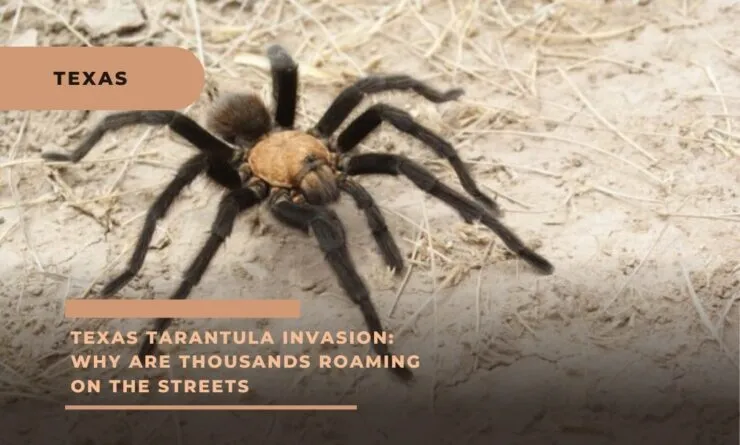
Tarantula migration in Texas is a fascinating natural phenomenon where large numbers of tarantulas, primarily males, embark on a journey in search of mates. This spectacle typically occurs during late summer and early fall, creating a unique opportunity for wildlife enthusiasts and nature photographers to witness these impressive arachnids on the move. These migrations aren’t random; they’re a critical part of the tarantula’s life cycle, driven by the urge to reproduce. The tarantulas, usually the Texas Brown Tarantula, emerge from their burrows and traverse open areas, roads, and trails, often becoming quite visible as they search for receptive females. Their journey can cover significant distances, and their presence can transform certain areas into hotspots of tarantula activity for a short period. This mass movement is a remarkable display of nature’s rhythms and a testament to the tarantulas’ tenacity in the face of environmental challenges.
The Timing of Tarantula Migration
The timing of tarantula migration in Texas is largely dictated by environmental factors, primarily the weather. The migration season typically begins in late summer, usually August or September, and can extend into October, depending on the specific climate conditions of a particular year. Warmer temperatures and increased humidity often serve as triggers for the migration, signaling to the male tarantulas that it is time to seek out females. The peak of the migration often coincides with the first significant rainfall after a long, hot summer, providing ideal conditions for the tarantulas to emerge from their burrows. It’s important to note that the precise timing can vary from year to year and from location to location within Texas, influenced by localized weather patterns and the availability of potential mates. Observing these patterns can help predict when and where the migration is most likely to occur, allowing for better opportunities to witness this natural wonder.
Factors Influencing the Migration

Several factors influence the tarantula migration in Texas, affecting its intensity and duration. Temperature plays a crucial role; warmer temperatures tend to stimulate the tarantulas, encouraging them to leave their burrows. Humidity levels also have a significant impact, with higher humidity often signaling favorable conditions for mating. The availability of food sources, such as insects, can indirectly influence the migration, as tarantulas are more likely to be active and mobile when food is plentiful. Furthermore, the presence of female tarantulas in the area acts as a key attractant, driving the males to move in search of mates. The overall health of the tarantula population, which is impacted by factors like habitat loss, pesticide use, and climate change, can also influence the number of tarantulas participating in the migration. Understanding these factors provides valuable insights into the dynamics of tarantula behavior and helps explain the variations observed during different migration seasons.
Where to Witness the Tarantula Migration
Several locations in Texas offer excellent opportunities to witness the tarantula migration. The Texas Hill Country, with its diverse habitats and favorable climate, is a prime spot to observe the tarantulas on the move. State parks and natural areas, such as those in the central and western parts of the state, are particularly popular, as they provide protected environments where tarantulas thrive. Roads and trails that cross open grasslands and wooded areas are often frequented by migrating tarantulas. It’s crucial to research specific areas and check local wildlife reports to determine the best locations and times for observation, as the migration patterns can vary. When planning a viewing trip, consider areas with minimal human disturbance to maximize your chances of seeing tarantulas in their natural environment. Be prepared to walk or drive slowly, keeping an eye out for these impressive arachnids crossing roads or trails. Remember to respect the tarantulas’ space and avoid any actions that might disturb their natural behavior.
Safety and Observation Tips
When observing the tarantula migration in Texas, it’s important to prioritize safety and responsible observation. While tarantula bites are not usually life-threatening to humans, they can be painful. Maintain a safe distance from the tarantulas and avoid any attempts to handle or provoke them. Wear closed-toe shoes and long pants to protect your skin from potential bites or scratches. Be aware of your surroundings, as tarantulas may be found in unexpected locations. When driving, reduce your speed and watch for tarantulas crossing roads, as they are vulnerable to being hit by vehicles. Do not use flash photography, as it can disorient the tarantulas. Respect the tarantulas’ habitat and avoid littering or disturbing the environment. It’s also wise to inform someone of your plans and location before heading out. If you do encounter a tarantula, simply observe it from a distance and appreciate the opportunity to witness this remarkable natural phenomenon.
What to Do if You See a Tarantula

If you encounter a tarantula during the migration season, there are several things you should and shouldn’t do. First and foremost, remain calm and avoid any sudden movements that could startle the tarantula. Observe it from a safe distance, appreciating its natural behavior. Do not attempt to touch or handle the tarantula, as this could lead to a bite. Do not try to capture or relocate the tarantula; it is best to leave it in its natural habitat. If the tarantula is on a road, you can gently encourage it to move off the road by using a stick or other long object, but avoid direct contact. You can also take photographs, but use a camera with a zoom lens to maintain a safe distance. Report any unusual observations to local wildlife authorities. By following these guidelines, you can ensure both your safety and the well-being of the tarantulas, allowing you to enjoy the spectacle of their migration responsibly.
The Significance of Tarantula Migration
The tarantula migration in Texas is significant for several reasons, both ecologically and scientifically. It is a crucial part of the tarantula’s reproductive cycle, ensuring the continuation of the species. The migration allows for genetic diversity and the dispersal of tarantulas to new areas. From an ecological standpoint, the migration highlights the interconnectedness of the ecosystem, demonstrating how weather patterns, habitat, and the availability of food all play a role in the tarantula’s behavior. Scientifically, the migration provides researchers with an opportunity to study tarantula behavior, population dynamics, and the effects of environmental changes. It also serves as an excellent educational tool, raising awareness about the importance of arachnids and their conservation. The migration is a powerful symbol of the resilience of nature, offering a unique and inspiring spectacle that brings people closer to the natural world and underscores the importance of protecting these fascinating creatures and their habitats for future generations.